
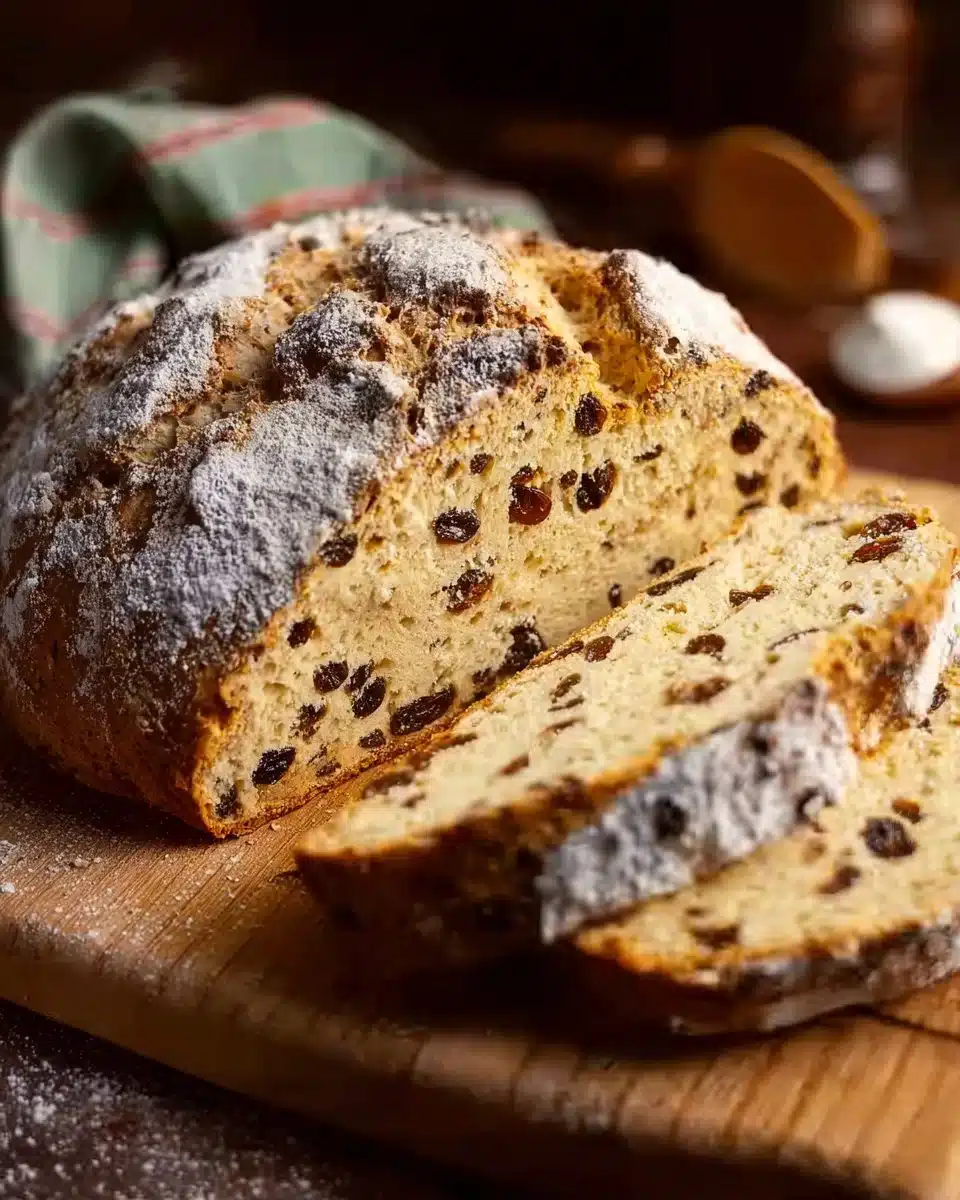
I started making this loaf because I wanted a quick bread for weeknight meals. I bake it when I need something warm fast. It fits into a busy routine and it gives a nice, homey slice with soup or tea.
This version is simple and does not need yeast. Irish Soda Bread works when you want bread that is ready in one hour. I keep the method for regular meals and for a relaxed weekend. The dough is easy to mix and shape, and the bake time is steady.
This bread is a quick, dense loaf made without yeast. It uses baking soda to rise and buttermilk for a mild tang. The crust is firm and the crumb is soft but a bit crumbly. People often bake this loaf for breakfast, to serve with soup, or as a simple snack. It has a mild sweet note from sugar and citrus, and little fruit like currants can add tiny bursts of flavor. For a savory twist, try a version like cheddar and herb soda bread that uses cheese and herbs.
Why make this recipe
This loaf saves time. It needs no rise time, so you mix and bake in one go. The dough comes together fast and it bakes in under an hour. The flavor is simple and homey, with a slight tang from the buttermilk and a bit of sweetness from the sugar. You can change mix-ins or leave them out. This dish fits weeknight dinners, simple lunches, and small gatherings. If you like quick breads that are flexible, this one is a good choice and works with many meal plans, like quick soups or packed lunches. Also see a sweet quick bread idea like an apple fritter bread for variety.

Ingredients
4 cups all-purpose flour (Plus 1 Tablespoon for tossing with currants to prevent them from sinking.)
4 Tablespoons sugar (Adds a touch of sweetness to balance the savory notes.)
1 tsp baking soda (The key leavening agent for a classic soda bread.)
1.5 tsp kosher salt (Enhances all the flavors in the bread.)
4 Tablespoons cold unsalted butter (Cut into 1/2-inch dice for easier incorporation into the flour.)
1.75 cups buttermilk (Ensure it’s cold and shaken for best results and even distribution.)
1 count extra-large egg (Adds richness and helps bind the dough.)
1 tsp grated orange zest (Adds a bright, aromatic flavor that complements the currants.)
1 cup dried currants (Toss with 1 Tablespoon of flour to prevent sinking during baking.)
The flour and baking soda make the structure and lift. Sugar gives a small sweet note. Salt brings out the rest of the flavors. Cold butter added in small pieces makes small pockets and a better texture. Cold buttermilk reacts with the soda and gives the bread its rise and tang. The egg adds strength so the dough holds shape. Orange zest and currants add bright and fruity highlights.
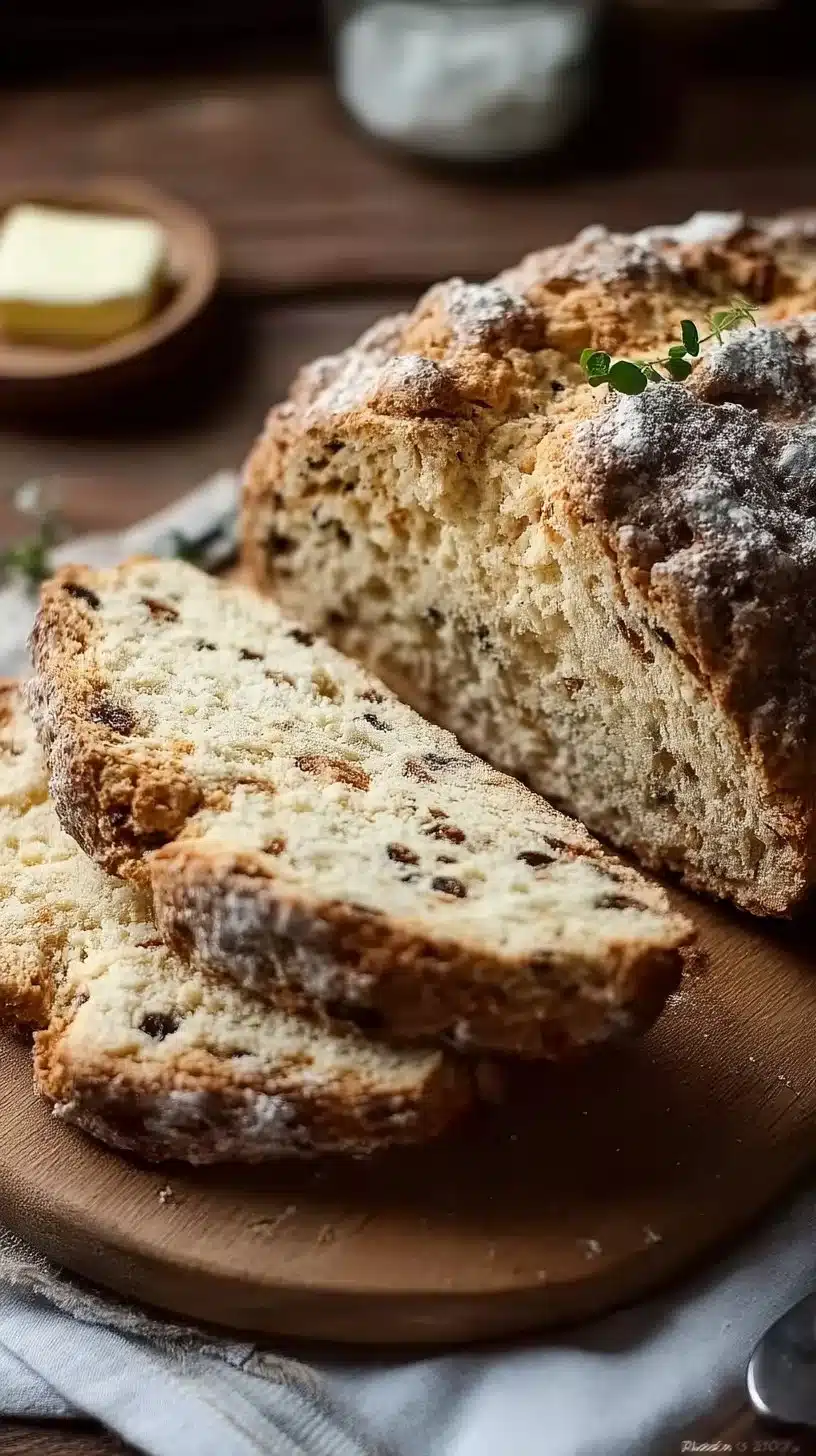
Directions
Preheat your oven to 375°F. (Make sure the oven reaches temperature so the bread rises well.)
Cover a baking sheet with either parchment paper or a baking mat. (This keeps the loaf from sticking and makes clean up easy.)
In the bowl of an electric mixer add the flour, sugar, baking soda, and the salt. Use the paddle attachment for mixing. (Combine dry items first so the soda spreads evenly.)
On a low speed, mix the butter into the flour mixture. (You want small butter bits coated in flour, not melted.)
Separately, in a smaller bowl, combine the buttermilk, egg and the orange zest. Lightly mix with a fork until just barely combined. (Do not overbeat the liquid mix.)
Slowly add this egg and buttermilk mixture to the mixer bowl of flour and butter. Mix slowly until just combined. (Stop once the dough comes together. It should be moist.)
In a small bowl, toss the currants in 1 Tablespoon of flour (this keeps the currants from sticking together and then add them to the dough mixture). Toss in the currants and combine with the dough. (This helps the fruit stay spread in the loaf.)
Put a good amount of flour onto a cutting board or your counter. Scrape the dough from the bowl onto the floured surface (the dough will feel wet). (A floured surface keeps the dough from sticking.)
Rub flour on your hands and then knead the dough only a few times. Form into a round loaf. (Knead just enough to bring the dough together; over-kneading makes it tough.)
With the tip of a sharp knife, lightly cut an X into the top of the bread (history tells us that this was done to ward off evil and protect the household). (This cut also helps the heat reach the center.)
Place on prepared baking sheet and bake for 45 to 55 minutes. (Ovens vary, so check near the lower time.)
Using the toothpick test, test the bread to make sure the bread is done. The toothpick should come out of the bread clean.
Try to let it cool a bit before you dig in! (Cooling makes slicing easier and stops the crumb from collapsing.)
How to serve this recipe
Slice the loaf and serve it warm or at room temperature. It goes well with butter, jam, or sharp cheese. For dinner, serve thick slices with a bowl of stew or soup. For breakfast, toast slices and spread with a mild honey butter. You can cut small wedges for a brunch tray or offer thin slices with cold cuts for a simple lunch. This dish fits both casual weekday meals and relaxed weekend spreads. If you like a sweeter take, add a little honey on top of warm slices for a quick treat. Also try it with soft cheese and fruit for a light snack.
How to store this recipe
Let the loaf cool fully before you cover it. Store at room temperature in a cloth bag or wrapped in foil for 2 to 3 days. For longer storage, slice and freeze in a sealed bag for up to 3 months. Thaw slices at room temperature or toast from frozen. If you keep it in the fridge, expect it to dry faster; use a tight container and eat within 4 days. For best texture, refresh slices in a toaster or a hot oven for a few minutes before serving.
Tips to make this recipe
Use cold butter and cold buttermilk. Cold butter gives small flakes and a better crumb. Don’t overwork the dough; knead only a few times. Check the loaf at 45 minutes and test with a toothpick. If the top browns too fast, tent with foil. If the dough seems too wet, add a tablespoon of flour, one at a time, but avoid a dry dough. If currants sink, toss them in flour before adding. For alternate fruit, use raisins or chopped dried apricots. See a soft, fruity quick bread method in a blueberry lemon cream cheese sourdough bread for ideas on mix-ins and texture.
Variation
You can leave out currants for a plain loaf. Swap currants for raisins, chopped dates, or small chopped dried apples. For a savory version, omit the sugar and orange zest and add 1 cup grated sharp cheddar and 1 tablespoon chopped fresh herbs. Use whole wheat for half the flour for a heartier loaf; expect a denser crumb and add a splash more buttermilk if it feels dry. Avoid very wet add-ins like fresh fruit unless you reduce the liquid elsewhere. Small changes work best to keep the dough texture steady.
FAQs
Q: Can I use regular milk instead of buttermilk?
A: Use milk plus 1 tbsp vinegar if you do not have buttermilk. Let sit 5 minutes.
Q: Can I make this by hand?
A: Yes. Use a mixing bowl and a pastry cutter or your fingers for the butter.
Q: How do I know when it is baked?
A: A toothpick in the center should come out clean. The crust will be brown.
Q: Can I omit the egg?
A: You can, but the crumb will be a bit crumblier and less rich.
Q: Can I freeze the whole loaf?
A: Yes. Wrap well and freeze up to 3 months.
Conclusion
This loaf is a quick and reliable bread to keep in a home routine. It needs simple bowls, cold butter, and cold buttermilk. You can change the fruit or make it savory and still keep the same steps. For more classic takes and a deep how-to, I find reliable recipes online like Grandma’s Irish Soda Bread on Sally’s Baking Addiction and a simple two-way version at Super Simple Irish Soda Bread on Alexandra’s Kitchen. These extra reads help if you want more tips or flavor ideas.
Print
Irish Soda Bread
- Total Time: 60 minutes
- Yield: 1 loaf 1x
- Diet: Vegetarian
Description
A quick and easy bread that requires no yeast, perfect for weeknight meals or as a snack.
Ingredients
- 4 cups all-purpose flour (Plus 1 Tablespoon for tossing with currants)
- 4 Tablespoons sugar
- 1 tsp baking soda
- 1.5 tsp kosher salt
- 4 Tablespoons cold unsalted butter, cut into 1/2-inch dice
- 1.75 cups cold buttermilk
- 1 extra-large egg
- 1 tsp grated orange zest
- 1 cup dried currants (Toss with 1 Tablespoon of flour)
Instructions
- Preheat your oven to 375°F.
- Cover a baking sheet with parchment paper or a baking mat.
- In the bowl of an electric mixer, combine the flour, sugar, baking soda, and salt. Use the paddle attachment for mixing.
- On a low speed, mix the butter into the flour mixture until small butter bits are coated in flour.
- In a smaller bowl, combine the buttermilk, egg, and orange zest; lightly mix with a fork until just combined.
- Slowly add the egg and buttermilk mixture to the mixer bowl; mix until just combined.
- Toss the currants in 1 Tablespoon of flour and add them to the dough mixture.
- Scrape the dough onto a floured surface and knead a few times before shaping it into a round loaf.
- Lightly cut an X into the top of the bread.
- Place on the prepared baking sheet and bake for 45 to 55 minutes.
- Test the bread with a toothpick to ensure it’s done.
- Let it cool before slicing.
Notes
Serve warm or at room temperature with butter, jam, or cheese. It’s great with soup or as a snack.
- Prep Time: 15 minutes
- Cook Time: 45 minutes
- Category: Bread
- Method: Baking
- Cuisine: Irish
Nutrition
- Serving Size: 1 slice
- Calories: 200
- Sugar: 5g
- Sodium: 400mg
- Fat: 8g
- Saturated Fat: 5g
- Unsaturated Fat: 3g
- Trans Fat: 0g
- Carbohydrates: 30g
- Fiber: 2g
- Protein: 5g
- Cholesterol: 40mg