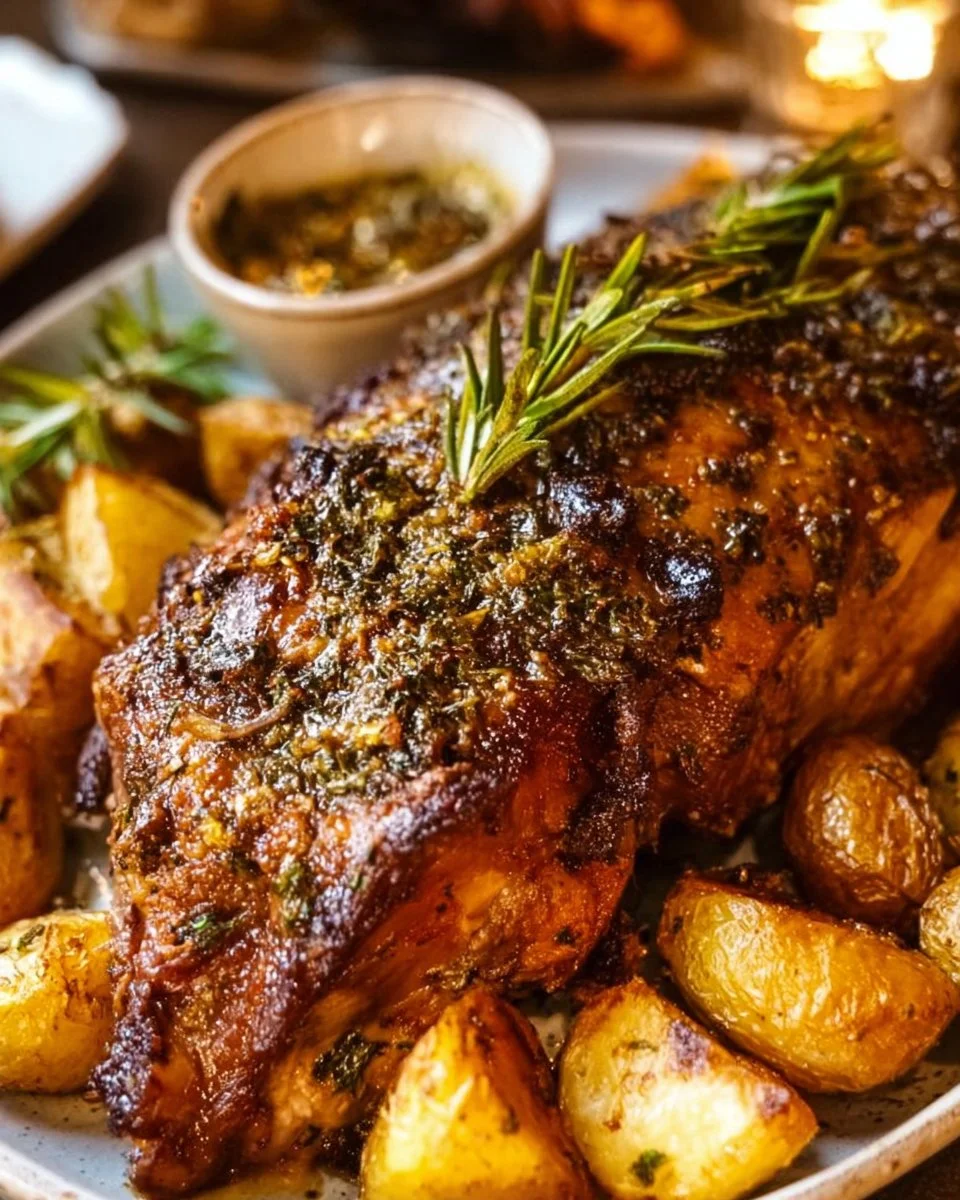
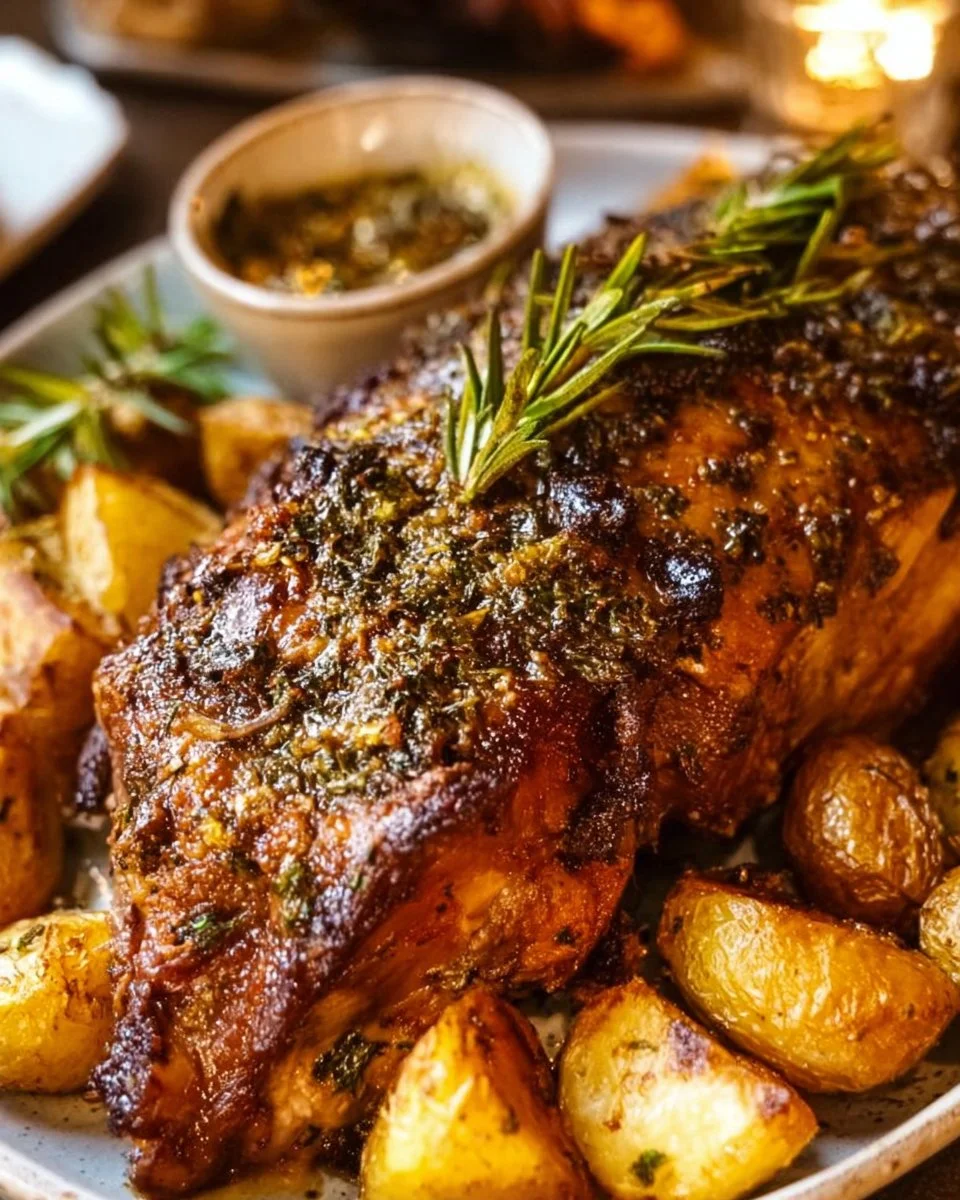
This is a straightforward roast built around a bone-in leg of lamb and simple aromatics. It suits cooks who want a reliable centerpiece for a family dinner or a small gathering and for cooks comfortable using an oven and a meat thermometer. Expect a savory, herb-forward profile with lemon and garlic brightening the meat. This Best Roasted Leg of Lamb is chosen when you want a classic roast rather than quick weeknight fare. The method allows some hands-off time, a short resting period, and predictable results for medium-rare to medium doneness.
This recipe is a classic roast lamb prepared with garlic, rosemary, lemon, and a light mustard rub. It finishes with a pan jus from wine or broth and has a clear savory-herbal flavor. The dish fits into a main-course role for dinner, holiday meals, or any time a larger, shareable roast is wanted. It is not a quick skillet meal; it needs oven time and resting. For a simple vegetable side that cooks separately while the lamb rests, see the brown sugar roasted butternut suggestion at brown sugar roasted butternut.
When this recipe works well
Choose this roast for planned meals where you can allow at least two hours from start to finish, including resting time. It works well when you have room in the oven and a rack for air circulation. Skill level is moderate: you should feel comfortable trimming small bits of fat and using a thermometer. The timing is forgiving: a 5–6 lb bone-in leg will roast predictably if you follow the temperature targets. It is flexible for temperature preference; adjust target internal temperature slightly for rarer or more well-done results.
Cooking overview
Start by drying and scoring the lamb, then apply an herbed garlic rub and let it come up toward room temperature. The roast begins at a high heat to brown and develop a crust, then the oven is lowered to finish the internal cook slowly. Expect initial high-heat roasting for about 20 minutes, then a longer period at reduced heat until the thermometer reads your target. Use a meat thermometer for accuracy and allow a 15–20 minute rest after removing the roast so the juices redistribute. For coordinating other dishes while the lamb rests, see tips in the arepas made at home notes at arepas made at home. Also note that this dish benefits from a short rest before carving.
Ingredients
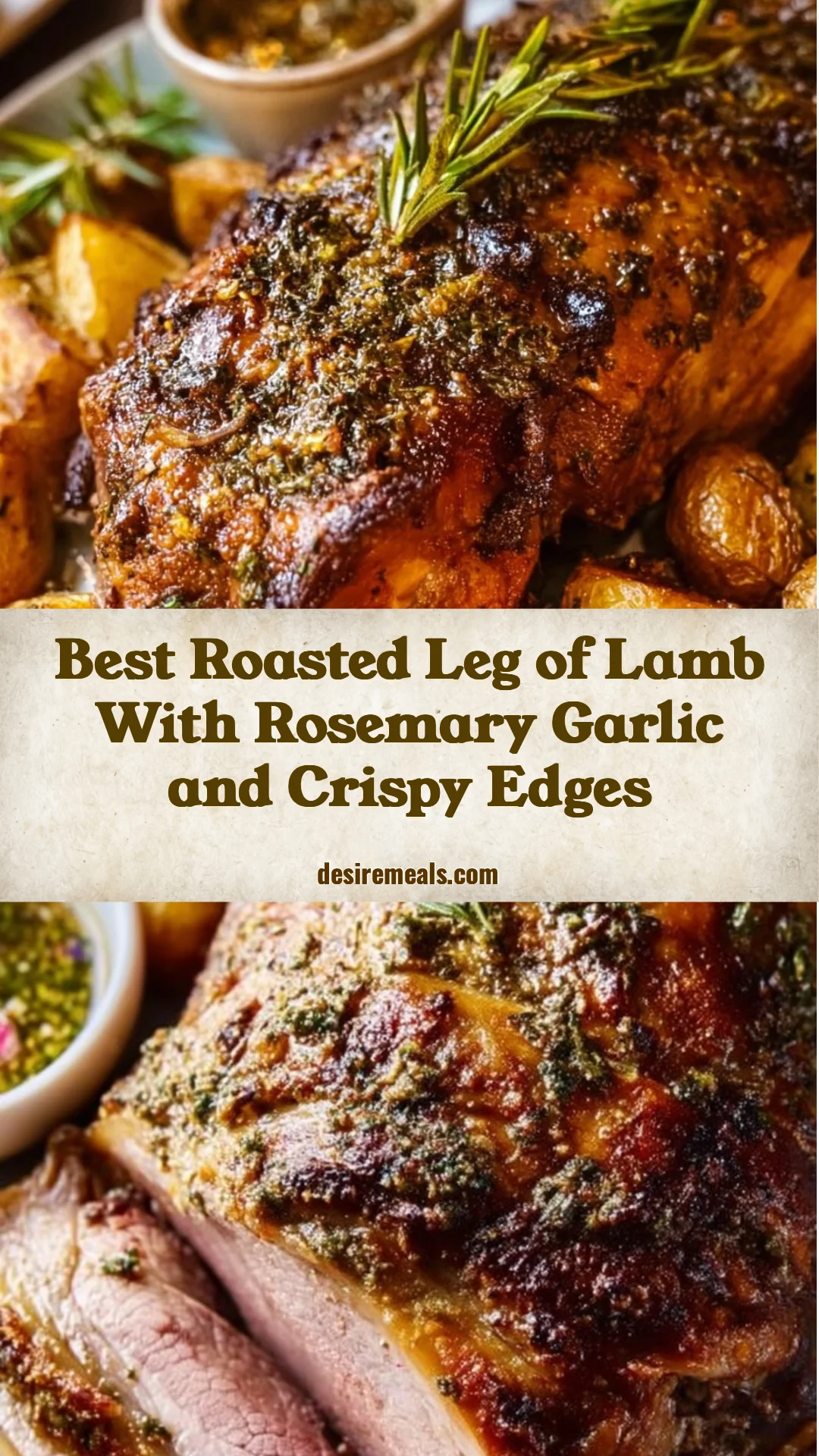
1 (5-6 lb) bone-in leg of lamb, trimmed, 6 garlic cloves, minced, 2 tablespoons fresh rosemary, finely chopped, 1 tablespoon fresh thyme leaves, 1 tablespoon kosher salt, 1 teaspoon black pepper, 1 tablespoon Dijon mustard, Zest of 1 lemon, 2 tablespoons olive oil, Juice of 1 lemon, 1/2 cup dry white wine or chicken broth. The leg size gives a good roast for 6–8 people. Fresh rosemary and thyme give clearer herbal notes than dried, but dried herbs can be used at one-third the fresh amount. Wine adds acidity and deglazes the pan; chicken broth is a non-alcohol swap. Dijon and lemon help the rub adhere and add bright, savory balance.
Directions
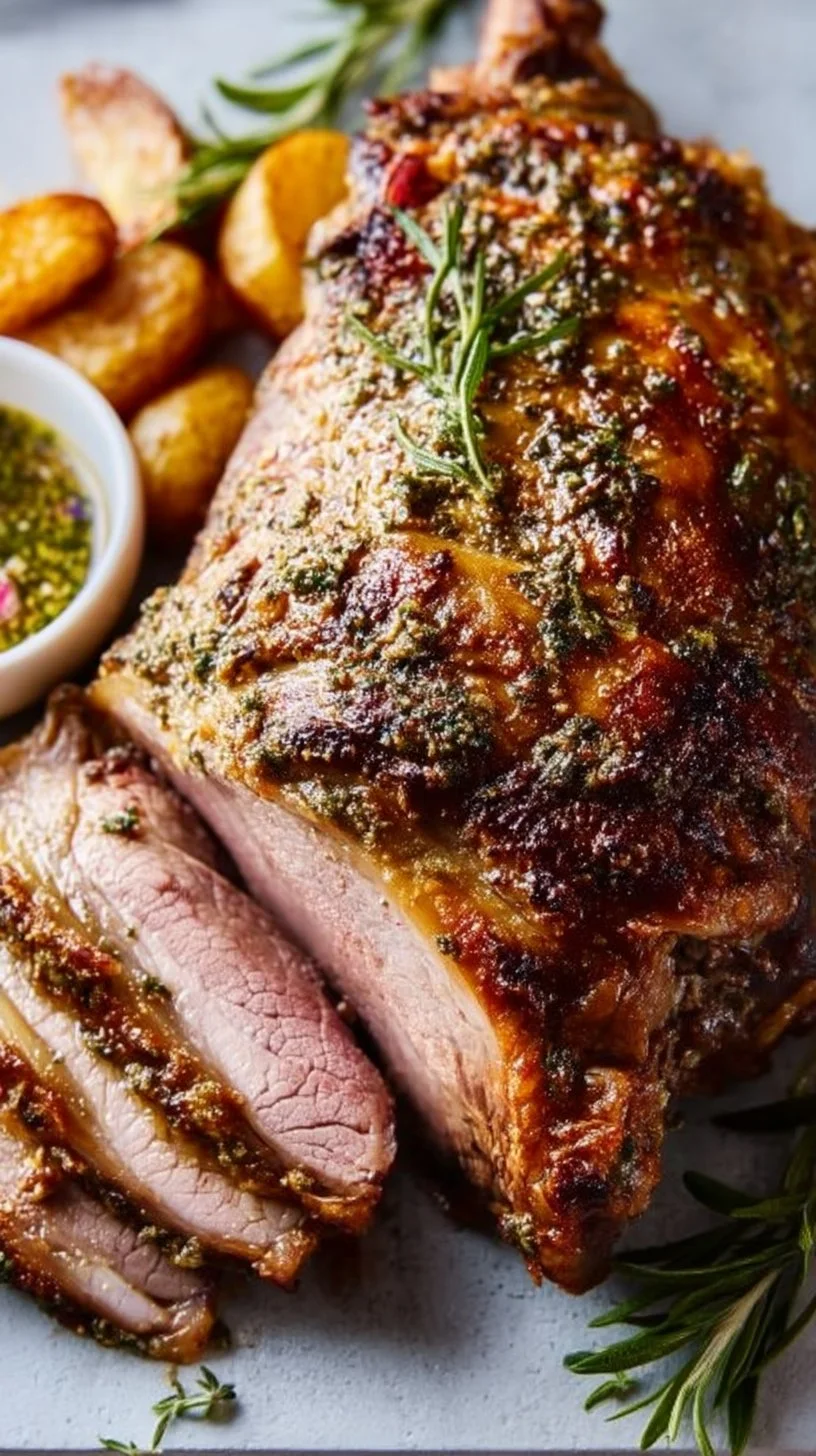
Pat the lamb dry with paper towels and score the fat in a crisscross pattern without cutting into the meat. Mix minced garlic, rosemary, thyme, salt, pepper, Dijon mustard, lemon zest, lemon juice, and olive oil to form a rub. Rub the mixture all over the lamb, pressing into the cuts. Let sit at room temperature for 30–45 minutes so flavors settle and the roast comes closer to ambient temperature. Preheat oven to 425°F (220°C). Place lamb on a rack in a roasting pan. Pour wine or broth into the pan to keep the environment moist and to make pan juices. Roast for 20 minutes at the higher heat to brown the exterior. Reduce heat to 350°F (175°C) and roast for 1 to 1 hour 15 minutes, or until internal temperature reaches 130°F (54°C) for medium-rare; adjust time for desired doneness. Transfer lamb to a cutting board, tent with foil, and let rest 15–20 minutes before carving. Correct results show a well-browned crust, clear pan juices, and a stable internal temperature after resting.
How to serve this recipe
Carve against the grain in slices about 1/4 to 1/2 inch thick for easy portioning; thicker slices suit heartier appetites. Serve the pan juices strained or spooned over the meat. Common sides include roasted vegetables, mashed potatoes, or a simple salad. Leftover slices work well in sandwiches or salads the next day. If you want a small sweet roll alongside for a contrast, see the bee-sting biscuit roll recipe at bee-sting biscuit roll for a compatible, portion-friendly option.
How to store this recipe
Refrigerate carved lamb in an airtight container within two hours of cooking. Sliced roast keeps well for 3–4 days in the fridge. For longer storage, freeze portions in freezer-safe bags or containers for up to 3 months; remove excess air and label with the date. Thaw overnight in the fridge before reheating. To reheat, use a low oven (250–300°F / 120–150°C) covered with foil until warmed through, or gently warm slices in a skillet with a splash of broth to maintain moisture.
Tips for better results
Use a reliable meat thermometer and check temperature in the thickest part away from bone. Do not skip the initial high-heat step; it builds a crust that helps hold juices. Let the meat rest under tented foil; carving too soon will cause more juice loss. If the exterior browns too quickly, loosely cover the top with foil and continue cooking until internal temperature is reached. Allow for carryover cooking: the temperature will rise a few degrees while resting.
Variations and adjustments
For a different herb profile, swap rosemary for marjoram or oregano. If you prefer a spicier rub, add 1/2 teaspoon red pepper flakes to the herb mix. Use boneless leg for easier carving and shorter resting space, but timing will be shorter and weight-based. For a citrus-forward version, add orange zest with the lemon. If options are limited, keep the basic garlic-rosemary-lemon approach; it is broadly compatible and requires no specialty ingredients.
FAQs
Q: How do I know when the lamb is done? A: Use an instant-read thermometer in the thickest part; 130°F (54°C) for medium-rare, 140°F (60°C) for medium.
Q: Can I prepare the rub ahead of time?
A: Yes. Make the rub and refrigerate up to 24 hours; bring the lamb to room temperature before roasting.
Q: Is it necessary to use wine in the pan?
A: No. Wine adds flavor to pan juices; chicken broth is an acceptable non-alcohol substitute.
Conclusion
This preparation is a dependable, herb-forward roast suited to home cooks planning a shared meal and wanting predictable doneness and clean flavors. It balances a brief active prep with a longer oven time and a necessary rest, making it practical for holiday or weekend dinners. For a slower approach with a different texture and long low roasting, compare methods like Slow Roast Leg of Lamb – RecipeTin Eats, and for a boneless alternative with similar seasonings see Roasted Boneless Leg of Lamb with Rosemary and Garlic.
Print
Best Roasted Leg of Lamb
- Total Time: 120 minutes
- Yield: 6-8 servings 1x
- Diet: None
Description
A classic roast lamb with herb-forward flavors, perfect for family dinners or holiday meals.
Ingredients
- 1 (5-6 lb) bone-in leg of lamb, trimmed
- 6 garlic cloves, minced
- 2 tablespoons fresh rosemary, finely chopped
- 1 tablespoon fresh thyme leaves
- 1 tablespoon kosher salt
- 1 teaspoon black pepper
- 1 tablespoon Dijon mustard
- Zest of 1 lemon
- 2 tablespoons olive oil
- Juice of 1 lemon
- 1/2 cup dry white wine or chicken broth
Instructions
- Pat the lamb dry with paper towels and score the fat in a crisscross pattern without cutting into the meat.
- Mix minced garlic, rosemary, thyme, salt, pepper, Dijon mustard, lemon zest, lemon juice, and olive oil to form a rub.
- Rub the mixture all over the lamb, pressing into the cuts.
- Let sit at room temperature for 30–45 minutes.
- Preheat oven to 425°F (220°C).
- Place lamb on a rack in a roasting pan and pour wine or broth into the pan.
- Roast for 20 minutes at high heat.
- Reduce heat to 350°F (175°C) and roast for 1 to 1 hour 15 minutes, or until internal temperature reaches 130°F (54°C).
- Transfer lamb to a cutting board, tent with foil, and let rest 15–20 minutes before carving.
Notes
Letting the meat rest under tented foil will prevent juice loss. Ensure to use a meat thermometer for proper doneness.
- Prep Time: 45 minutes
- Cook Time: 75 minutes
- Category: Main Course
- Method: Roasting
- Cuisine: Mediterranean
Nutrition
- Serving Size: 1 serving
- Calories: 450
- Sugar: 1g
- Sodium: 600mg
- Fat: 18g
- Saturated Fat: 6g
- Unsaturated Fat: 9g
- Trans Fat: 0g
- Carbohydrates: 2g
- Fiber: 0g
- Protein: 65g
- Cholesterol: 110mg