
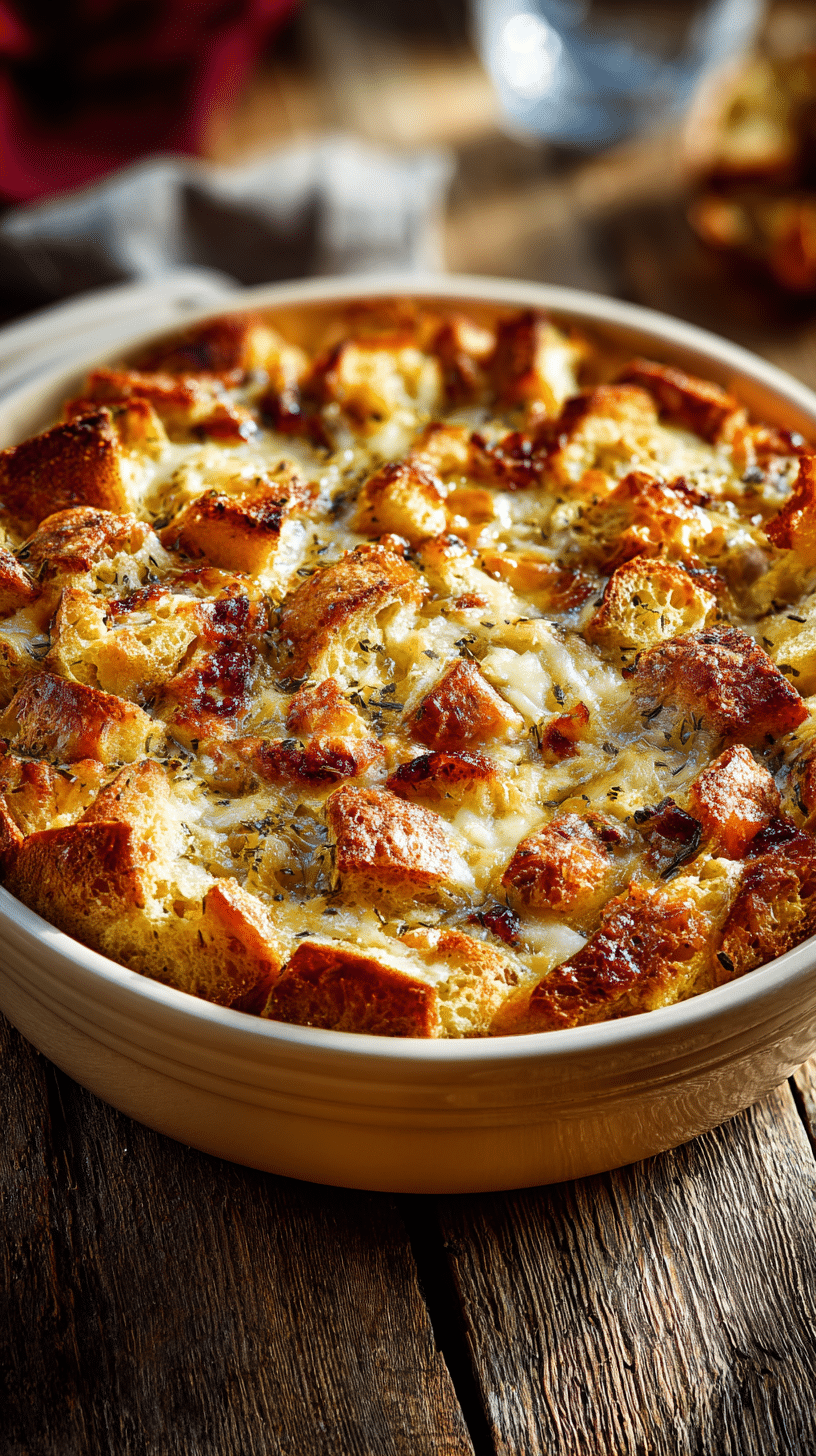
I love a breakfast casserole because it smells like slow morning sunshine and feels like a warm hug on a plate. A breakfast casserole brings together bread, eggs, cheese, and whatever savory bits you love to wake up to, and the result is comforting, messy, and utterly satisfying. When I serve a breakfast casserole, the kitchen fills with a bubbling, toasty aroma that pulls everyone to the table. It’s the kind of dish you make for sleepy weekend brunches, holiday mornings, or when you want a hands-off meal that still tastes like you spent hours on it. This particular version becomes golden on the edges and custardy inside, and every spoonful is a little story of texture — crisp bread, soft egg, melty cheese, and flavorful meat or vegetables.
If you’ve tried casseroles before and loved the ease and flavor, you’ll find this breakfast casserole especially forgiving. It’s one of those recipes that lets you clean out the fridge, but it also rewards attention: a good cheese, well-seasoned eggs, and a little resting time make a big difference. If you’re curious about other comforting bakes, check out this sweet twist on a croissant bake to compare textures here.

Breakfast Casserole
- Total Time: 55 minutes
- Yield: 8 servings 1x
- Diet: Vegetarian (can be non-vegetarian depending on meat used)
Description
A comforting breakfast casserole featuring layers of bread, eggs, cheese, and your choice of savory bits, perfect for lazy weekend mornings or holiday brunches.
Ingredients
- 8 slices of bread
- 6 eggs
- 2 cups of milk
- 1 cup of shredded cheese
- 1 cup of diced vegetables (e.g., bell peppers, onions, spinach)
- 1 cup of cooked meat (e.g., sausage, bacon, ham)
- Salt and pepper to taste
- Optional: Herbs and spices (e.g., thyme, paprika)
Instructions
- Preheat the oven to 350°F (175°C).
- Whisk together the eggs, milk, salt, and pepper in a large bowl until smooth.
- Grease a baking dish and layer the bread slices evenly.
- Layer the cooked meat over the bread, sprinkle the diced vegetables, and scatter the shredded cheese on top.
- Pour the egg mixture slowly over the layered ingredients, pressing to help the liquid soak in.
- Cover tightly with plastic wrap or foil and refrigerate for at least a few hours or overnight.
- Bake uncovered for 30–40 minutes, or until set in the center and lightly browned on top.
- Let cool for a few minutes before slicing and serving.
Notes
Use stale or day-old bread for the best texture. Feel free to customize with your favorite cheeses and vegetables.
- Prep Time: 15 minutes
- Cook Time: 40 minutes
- Category: Breakfast
- Method: Baking
- Cuisine: American
Nutrition
- Serving Size: 1 slice
- Calories: 350
- Sugar: 5g
- Sodium: 400mg
- Fat: 12g
- Saturated Fat: 4g
- Unsaturated Fat: 6g
- Trans Fat: 0g
- Carbohydrates: 45g
- Fiber: 3g
- Protein: 15g
- Cholesterol: 30mg
Why you’ll love this recipe
- It’s a true make-ahead hero — prep tonight, bake tomorrow, and relax while the oven does the heavy lifting.
- The texture balances crisp edges and a tender, custardy center in one bite.
- You can customize it with favorite cheeses, meats, or seasonal vegetables and still get great results.
- It’s crowd-pleasing: simple enough for picky eaters, but cozy and layered for guests.
- Leftovers heat beautifully, so it’s practical for busy mornings.
How to make Breakfast Casserole
First, gather your ingredients and preheat the oven so everything warms evenly. Start by whisking eggs and milk until smooth; this is the base that turns bread into a soft, savory pudding. Next, layer cubes of bread in a greased dish with cooked meat, diced vegetables, and a generous sprinkle of shredded cheese — this is when your kitchen starts to smell amazing. Pour the egg mixture slowly so it soaks the bread; give the pan a little nudge to help everything settle and make sure the mix reaches all corners. Cover the dish and refrigerate for at least a few hours or overnight; that rest time lets the flavors meld and the bread fully absorb the custard. When you bake the breakfast casserole uncovered, you’ll notice the edges turn golden and the center set, usually in about 30–40 minutes. Finally, let it cool for a few minutes before slicing so it holds together and your serving pieces look neat.
For another comforting overnight bake with a similar prep-and-chill approach, I sometimes glance at this cozy french toast casserole for inspiration while deciding which bread to use here.
Ingredients
- 8 slices of bread
- 6 eggs
- 2 cups of milk
- 1 cup of shredded cheese
- 1 cup of diced vegetables (e.g., bell peppers, onions, spinach)
- 1 cup of cooked meat (e.g., sausage, bacon, ham)
- Salt and pepper to taste
- Optional: Herbs and spices (e.g., thyme, paprika)
Bread acts as a sponge here — it soaks up the egg mixture and becomes the casserole’s soft, hearty body. Day-old or slightly stale bread actually works best because it absorbs more custard without falling apart. Use a denser loaf like sourdough or a classic white for sturdiness, or go with whole-grain for extra texture.
Eggs and milk form the custard. Whole milk gives a richer, silkier result, but you can substitute 2% or even a blend of milk and half-and-half for extra creaminess. The cheese brings saltiness and gooey pull; cheddar adds sharpness, Monterey Jack melts smoothly, and Swiss gives a nutty note. For vegetables, quick-sauté onions and bell peppers to soften them and deepen their flavor; leafy greens like spinach wilt down and blend into the custard.
Cooked meat provides savory depth. Breakfast sausage crumbles add spice, bacon contributes smokiness, and diced ham offers a mild, salty chew. If you want a vegetarian option, double the vegetables and toss in some mushrooms or roasted tomatoes.
For a protein-forward twist, consider consulting high-protein ideas like this guide for inspiration here.
Directions
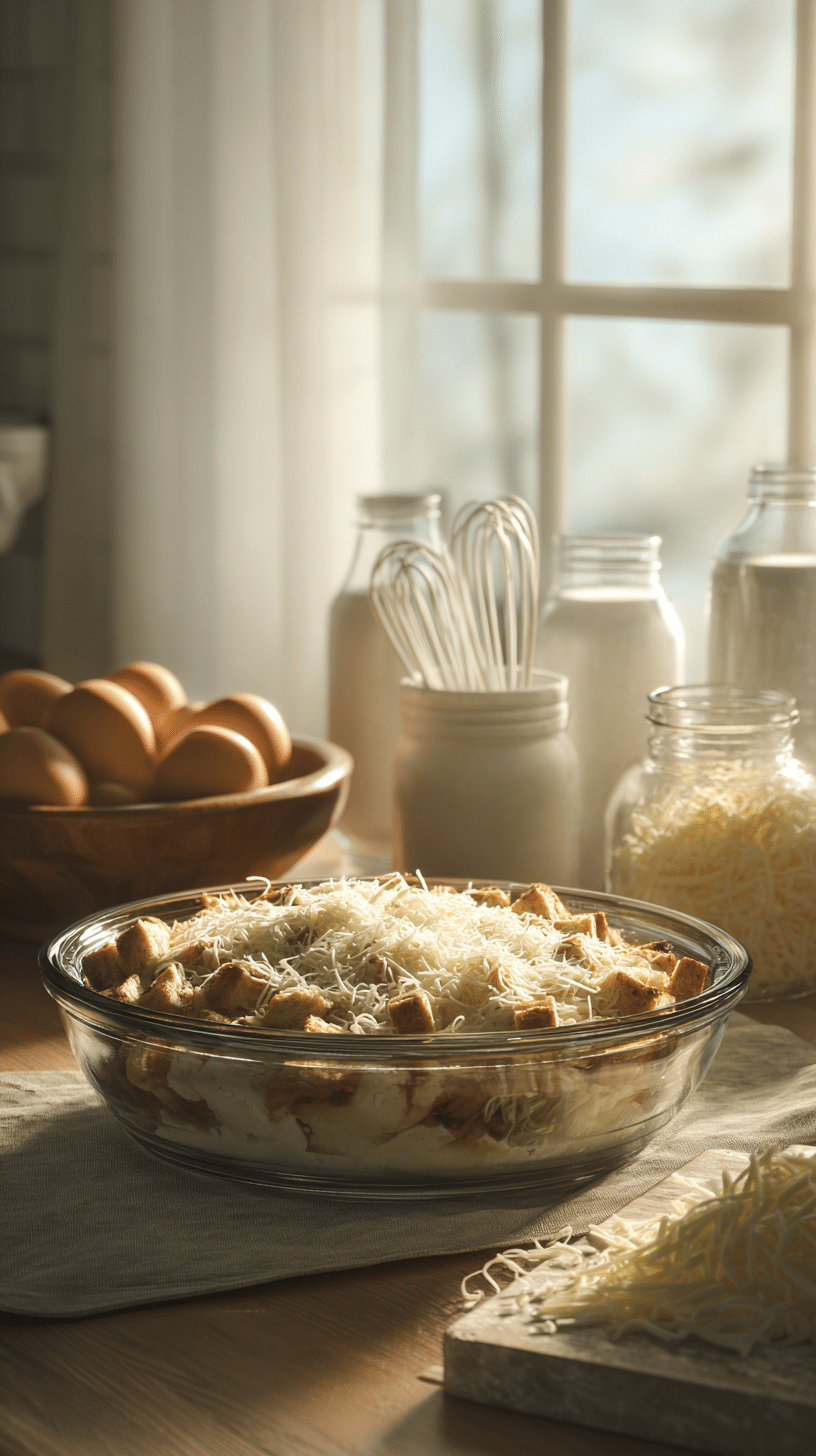
Start by preheating the oven to 350°F (175°C). While it warms up, whisk together the eggs, milk, salt, and pepper in a large bowl until the mixture looks smooth and a little frothy. That simple whisk turns into the flavorful custard that will cradle every piece of bread.
Grease your baking dish and arrange the bread slices (or cubes) in an even layer. Layer the cooked meat over the bread, sprinkle the diced vegetables, and scatter the shredded cheese across the top so every scoop gets a bit of melty goodness. Pour the egg mixture slowly over the layered ingredients, pressing gently so the liquid seeps into the bread; if some pieces peek above the liquid, that’s okay — they crisp up nicely.
Cover the dish tightly with plastic wrap or foil and refrigerate for at least a few hours, ideally overnight. This resting time allows the bread to soak up the custard and the flavors to meld; you’ll notice the casserole feels more cohesive when it comes out of the fridge.
Bake the casserole uncovered for 30–40 minutes, or until it’s set in the center and lightly browned on top. You’ll see the edges turn golden and the middle no longer jiggle when you gently shake the pan. Let it cool for a few minutes before serving; this short pause helps the casserole firm up so clean slices are easy to lift onto plates.
A quick tip: give it a quick taste for seasoning right after it comes out of the oven, and add a sprinkle of fresh herbs if it needs brightness.
How to serve Breakfast Casserole
Serve this breakfast casserole warm, straight from the pan, with a sprinkle of fresh herbs like chives or parsley for a pop of color. It pairs beautifully with crisp fruit salad, lightly dressed greens, or roasted potatoes if you want a heartier spread. For special occasions, plate slices with a side of hollandaise or a dollop of salsa to lift the flavors.
Visually, a well-baked breakfast casserole shows golden-brown edges, a slightly puffed center, and pockets of melted cheese. Texturally, aim for a balance: a bit of crisp on the corners and a tender, custardy interior. Serve it family-style so everyone can choose their portion, or slice and arrange neatly for guests to make it feel a bit more formal.
This dish is ideal for holiday breakfasts, brunches with friends, or a relaxed weekend when you want something nourishing without fuss.
How to store Breakfast Casserole
To store leftovers, cool the casserole to room temperature, cover it tightly, and keep it in the refrigerator for up to 3–4 days. Reheat individual slices in the microwave for a quick fix, or warm the whole dish in a 350°F oven for about 10–15 minutes to revive crisp edges.
For longer storage, freeze individual portions wrapped well in plastic wrap and foil or placed in airtight containers for up to 2 months. Thaw overnight in the fridge before reheating to keep the texture uniform. When reheating from frozen, add a few extra minutes in the oven and cover with foil if the top is browning too quickly.
If you want a crisper finish, pop reheated pieces under the broiler for a minute or two while watching carefully. A microwave helps when mornings are rushed, but the oven brings back that fresh-baked texture best.
Tips for perfect Breakfast Casserole
- Use stale or day-old bread when possible; it soaks the custard without disintegrating. Fresh bread can work but may become soggy if left to soak too long.
- Don’t overfill the dish — leave a little space at the top so the custard can expand as it bakes. Overfilling leads to spillover and uneven cooking.
- Sauté vegetables briefly to remove excess moisture, especially mushrooms or zucchini. Wet veggies can make the casserole too runny.
- Taste the egg mixture for seasoning before pouring it on the bread; it’s easier to adjust salt and pepper at this stage.
- If baking from chilled, allow the casserole a few extra minutes in the oven; cold starts lengthen baking time. Keep a close eye so the top browns without drying out.
These are little things I learned by making this breakfast casserole many times — they make the difference between a decent dish and a memorable one.
Variations
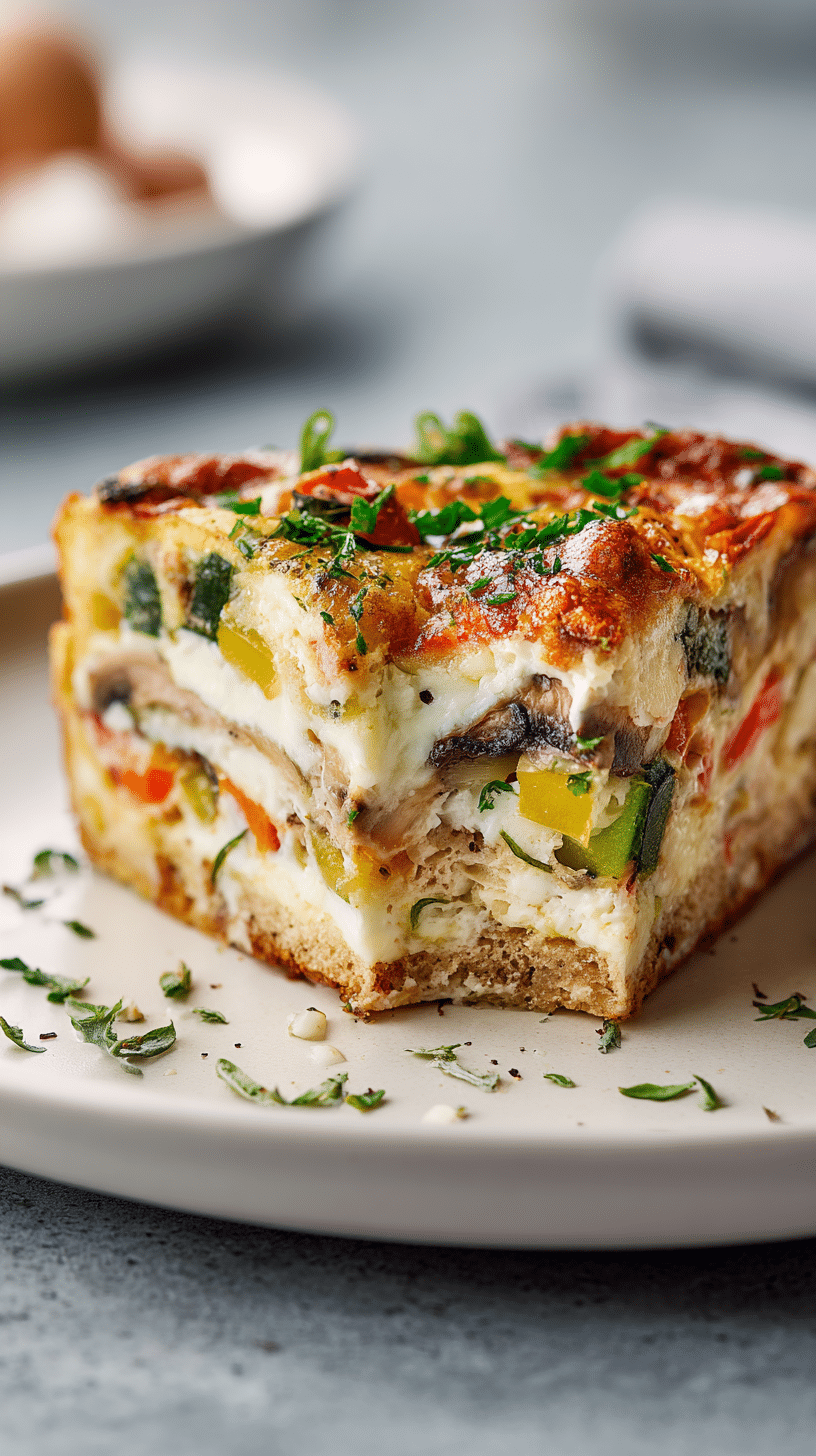
- Vegetarian: Skip the meat and add caramelized onions, mushrooms, and roasted tomatoes. Consider adding a layer of sautéed spinach for extra greens and nutrition.
- Gluten-free: Substitute gluten-free bread and ensure any processed ingredients (like sausage) are labeled gluten-free. The custard behaves the same, so baking times are similar.
- Dairy-free: Use a plant-based milk like oat or almond and a dairy-free shredded cheese. The texture will be slightly less creamy, but flavor is still very satisfying with added herbs.
- Spicy sausage and pepper: Use a spicy pork sausage and add jalapeños or a dash of smoked paprika for warmth and color. This version pairs well with a cooling avocado salsa.
- Breakfast strata-style: Cube artisanal bread and layer it more densely for a pull-apart, bread-pudding-like texture. Increase the egg mixture slightly if the bread seems dry.
Each variation stays true to the heart of a breakfast casserole while letting you tailor it to dietary needs or flavor preferences.
FAQs
Q: Can I use different kinds of bread for this breakfast casserole?
A: Absolutely. Heavier breads like sourdough or brioche give different textures — brioche will make it richer and slightly sweeter, while sourdough adds tang and sturdiness. If you use very dense or very soft bread, adjust the milk amount slightly so the custard absorption feels right.
Q: How long can I let the casserole soak before baking?
A: You can refrigerate the assembled casserole for a few hours or overnight. Overnight is great because the bread fully soaks up the egg mixture and the flavors meld. I’d avoid more than 24 hours to prevent the texture from becoming too mushy.
Q: Can I make this ahead and freeze it?
A: Yes — assemble the casserole, cover it well, and freeze before baking for up to 2 months. Thaw overnight in the fridge and bake as directed, possibly adding a few extra minutes to the baking time if the center remains cool.
Q: My casserole was too wet in the center. What went wrong?
A: That usually means it needed more time in the oven, or the bread absorbed too little custard (fresh bread can suffer from this). Next time, ensure the eggs are well-seasoned and the veggies aren’t watery; pre-sautéing them and using drier bread helps. Also, let it rest a few minutes after baking — that helps the center firm up.
Q: Can I swap the milk for cream?
A: Yes, swapping some or all of the milk for cream or half-and-half gives a richer, silkier texture. Be mindful that more fat might lengthen baking time slightly and produce a denser custard.
Conclusion
I hope this breakfast casserole becomes one of those go-to recipes you reach for when mornings need comfort, company, or a little extra planning. It’s flexible, forgiving, and reliably delicious, whether you’re feeding a crowd or saving slices for weekday breakfasts. If you love this Breakfast Casserole, save it for later or share it with someone who’d enjoy it too — and if you want more inspiration or an alternate approach, take a look at this classic Breakfast Casserole | – Tastes Better From Scratch and this easy make-ahead version from a trusted source Easy Breakfast Casserole Recipe – Sally’s Baking.