
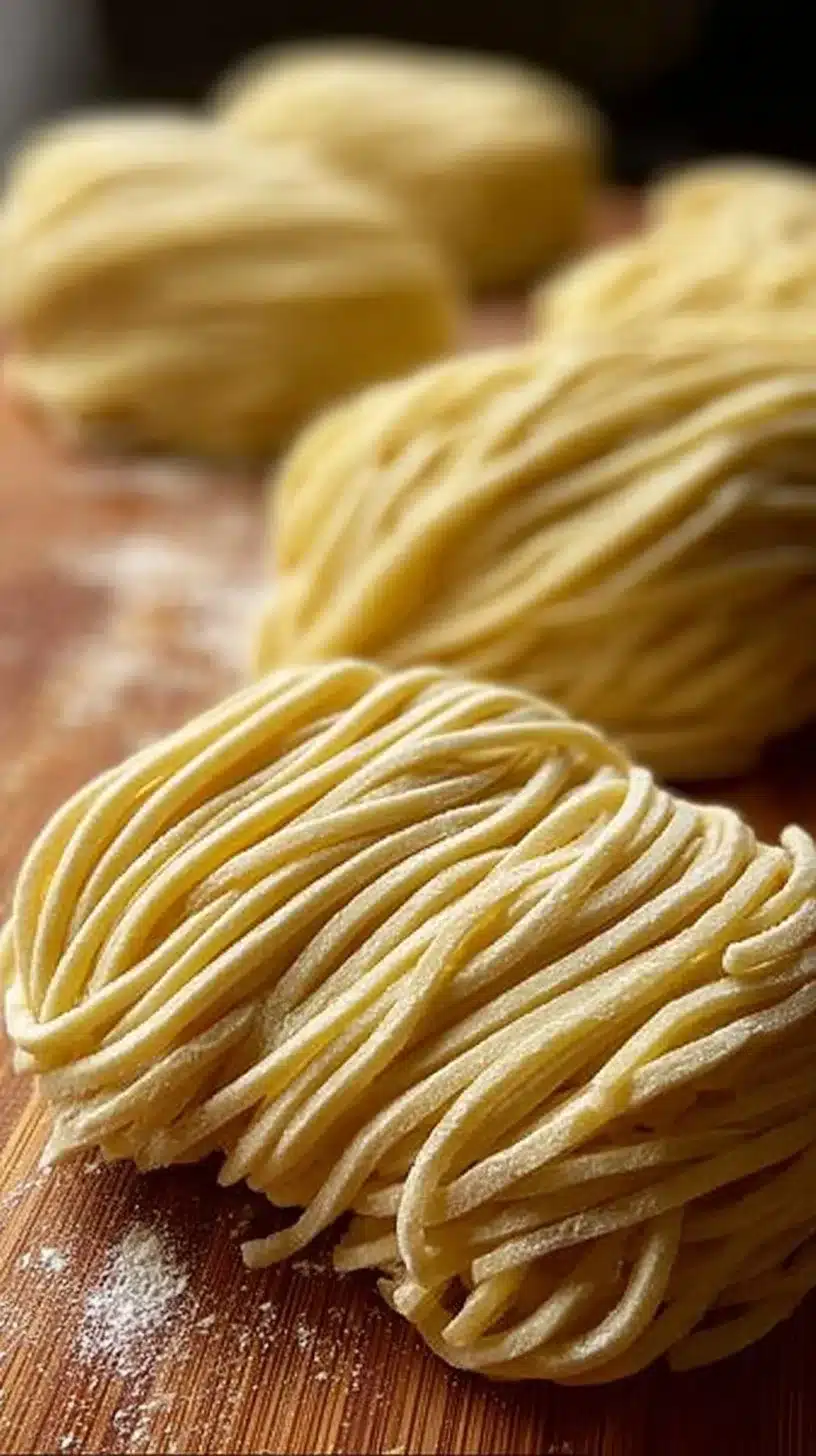
Making homemade ramen noodles can be a delightful adventure filled with rich aromas and comforting flavors. It’s more than just a meal; it’s an experience, a warm bowl of happiness that can brighten your day, especially when paired with your favorite broth and toppings. As you knead the dough, the act becomes almost meditative, each pull and fold bringing you closer to that comforting bowl of steaming ramen. The scent of freshly cooked noodles wafting through your kitchen is enough to bring anyone into the room, hungry and eager to dig into the goodness you’ve created.
Just imagine slurping up smooth, chewy noodles that have absorbed all the flavors of a savory broth. When you make your own ramen noodles, you’re not just crafting an ingredient; you’re creating a noodle that embodies your own touch and flair. It’s the satisfying result of blending a few basic ingredients to create something truly special, a culinary hug in a bowl. Whether it’s a chilly evening or a get-together with friends, homemade ramen noodles offer a sense of comfort and warmth that is hard to beat.
Homemade Ramen Noodles
- Total Time: 49 minutes
- Yield: 4 servings 1x
- Diet: Vegetarian
Description
Delight in the joy of making fresh, chewy ramen noodles from scratch with just four simple ingredients.
Ingredients
- 2 cups all-purpose flour
- 1/2 tsp salt
- 1/2 tsp baking soda
- 2/3 cup water
- Cornstarch for dusting
Instructions
- In a large bowl, combine the flour, salt, and baking soda. Whisk until well mixed.
- Slowly pour in the water while stirring continuously until the dough starts forming.
- Transfer the dough onto a floured surface and knead for about 5 minutes until smooth and elastic.
- Wrap the dough in plastic wrap and let it rest for 30 minutes at room temperature.
- Roll the rested dough as thin as possible on a floured surface.
- Slice the rolled dough into thin strips, resembling traditional ramen thickness.
- Dust the noodles lightly with cornstarch to prevent sticking.
- Bring a large pot of water to a rolling boil, then add the fresh noodles and cook for 3-4 minutes.
- Drain and rinse the noodles under cold water to stop the cooking process.
Notes
These noodles can be customized in thickness and flavor, perfect for any broth or stir-fry.
- Prep Time: 15 minutes
- Cook Time: 4 minutes
- Category: Main Course
- Method: Boiling
- Cuisine: Japanese
Nutrition
- Serving Size: 1 serving
- Calories: 200
- Sugar: 0g
- Sodium: 400mg
- Fat: 1g
- Saturated Fat: 0g
- Unsaturated Fat: 1g
- Trans Fat: 0g
- Carbohydrates: 42g
- Fiber: 2g
- Protein: 6g
- Cholesterol: 0mg
Why You’ll Love This Recipe
Creating your own ramen noodles at home brings a level of joy and satisfaction that store-bought versions can’t quite match. Here’s what makes this recipe truly stand out:
Freshness Factor: There’s something incredible about the texture of fresh noodles; they have a springy chew that’s a world apart from packaged options.
Personal Touch: You can customize the noodles to your taste, whether you prefer thicker or thinner strands. Plus, you can experiment with flavors, adding in herbs or different flours if you’re feeling adventurous.
Simple Ingredients: With just four ingredients, this recipe delivers big results. You don’t need fancy tools or special equipment; just a bowl and your hands!
Stress Relief: The process of making your own noodles is therapeutic! Kneading and rolling out the dough gives you a chance to unwind after a long day.
Versatility: These noodles can be served in various broths or even stir-fried with veggies and protein, making them perfect for any occasion.
How to Make Homemade Ramen Noodles
Making homemade ramen noodles is a rewarding journey. While it may seem daunting at first, it’s a straightforward process that yields delicious results. Let’s walk through it together step by step.
Ingredients
- 2 cups all-purpose flour
- 1/2 tsp salt
- 1/2 tsp baking soda
- 2/3 cup water
- Cornstarch for dusting
These ingredients are simple, yet they play a crucial role in the final product. The all-purpose flour forms the base of the noodles, giving them structure and chewiness. Salt adds flavor and enhances the overall taste, while baking soda helps create that beautiful yellow hue characteristic of traditional ramen.
As for the water, it’s the binding agent that transforms the dry ingredients into a workable dough. If you’re looking to make a gluten-free version, you can explore gluten-free blends, though the texture may vary slightly. And cornstarch? It’s your best friend for preventing sticking — you’ll thank me later!
Directions
To start, grab a large bowl. Combine the flour, salt, and baking soda. Give it a good whisk to ensure everything is well mixed. Once that’s done, slowly pour in the water. As you stir continuously, you’ll notice the dough starting to form; it might be slightly sticky, but don’t worry, it’s manageable.
Next, transfer the dough onto a floured surface. Here’s where the magic begins! Knead the dough for about 5 minutes, until it becomes smooth and elastic. This process develops the gluten, giving your noodles that classic chewy texture. Trust me — this is when it starts to smell amazing!
Once you’ve kneaded to perfection, wrap the dough in plastic wrap and let it rest for about 30 minutes at room temperature. This resting period is essential; it allows the flour to fully hydrate and lets the gluten relax, making it easier to roll out later on.
After the dough has rested, it’s time to roll it out. Dust your working surface with a little flour, and roll the dough as thin as possible. You might want to channel your inner pasta-maker here! Use a sharp knife or pasta cutter to slice it into thin strips. Think about the traditional ramen width of around 1/8-inch, but feel free to adjust based on your preference.
Now, lightly dust the noodles with cornstarch. This step is crucial if you’re not cooking them immediately; it’ll ensure they don’t stick together.
Bring a large pot of water to a rolling boil. Once it’s bubbling away, add your fresh noodles and cook them for 3-4 minutes. You want them to be tender but still firm to the bite — a quick taste test can help you gauge when they’re just right. After cooking, drain and rinse the noodles under cold water to stop the cooking process.
How to Serve Homemade Ramen Noodles
The possibilities are endless when it comes to serving up your homemade ramen noodles! Whether you’re enjoying them for lunch, dinner, or even breakfast, these noodles can fit into any mealtime.
Consider serving them in a rich, flavorful broth topped with your favorite ingredients. Think slices of tender pork, vibrant green onions, egg marinated in soy sauce, and maybe even a sprinkle of nori for that extra umami kick. You’ll want a colorful presentation; bright greens, deep reds, and golden yellows make for a feast for the eyes as well as the stomach.
You could also toss your noodles with some sautéed vegetables and a sprinkle of sesame seeds for a refreshing cold noodle salad, making them perfect for those warmer days. The combination of colors and textures will make each bowl shine!
How to Store Homemade Ramen Noodles
If you happen to have leftovers (though this is unlikely — they’re just that good!), storing them is quite simple. Place your noodles in an airtight container and keep them in the fridge. They’ll stay fresh for about 3 days. When you’re ready to enjoy them again, a quick microwave warm-up works wonders, or you can toss them in a hot broth for a rejuvenating meal.
For longer storage, consider freezing your noodles. Spread them out on a baking sheet to prevent sticking, then transfer them to a freezer bag once they’re frozen. They’ll keep well for about 1–2 months. When you’re ready to use them, no need to thaw; just drop them straight into boiling water!
Tips for Perfect Homemade Ramen Noodles
Over the years, I’ve learned a few handy tips that can help elevate your homemade ramen noodles:
Measure Carefully: Cooking is a science, and the correct ratios matter. Be sure to measure your flour and water accurately for the best texture.
Work Quickly: When mixing and kneading, try to work somewhat quickly to ensure the dough doesn’t dry out. If it feels too dry, a touch more water can help.
Resting is Key: Don’t skip the resting step! It allows the gluten to relax, ensuring a more pliable dough.
Dust Generously: Cornstarch isn’t just a suggestion; it’s a must-do! Make sure to dust your noodles well to prevent clumping.
Taste as You Go: Cooking is all about balance. Feel free to taste and adjust flavors as you’re making your broth or toppings.
Variations
Feeling adventurous? Here are a few ideas to get your creative juices flowing:
Spiced Noodles: Add a pinch of cayenne or chili powder to your dough for a spicy kick that’ll add some warmth.
Vegetarian Spin: Use vegetable broth and load your noodles with a variety of sautéed veggies for a colorful, filling meal.
Herbed Noodles: Mix in chopped fresh herbs like basil or cilantro for a fragrant twist that can add a refreshing touch to your dishes.
Gluten-Free Version: Use a gluten-free flour blend that’s suitable for pasta; just remember the texture might be a bit different.
FAQs
Can I make the dough ahead of time?
Absolutely! Once you’ve made the dough, you can wrap it tightly in plastic wrap and store it in the refrigerator for up to a day. Just make sure to let it come to room temperature before rolling it out.
What can I use if I don’t have baking soda?
If you’re out of baking soda, using a little baking powder can work in a pinch, but it will change the color and texture slightly. Alternatively, you could skip it altogether, though the traditional yellow hue may be missed.
How do I know when the noodles are cooked properly?
You want a tender texture that still holds a bit of bite. A quick taste test should do the trick — pull one out, blow on it, and see if it’s to your liking!
Can I use other types of flour?
Feel free to experiment! While all-purpose flour gives you great results, semolina or even whole wheat flour can provide a different flavor and texture. Just keep in mind that the hydration levels might vary.
Conclusion
There you have it – your very own homemade ramen noodles! Each step brings you closer to creating a personal and delicious dish that’s perfect for any occasion. With their distinct texture and the unforgettable taste of fresh ingredients, these noodles will surely make a regular appearance in your kitchen.
If you love this ramen noodle recipe, save it for later or share it with someone who would enjoy the comfort of homemade goodness. I can’t wait to hear how your noodles turn out, and I’m sure you’ll find plenty of excuses to whip up another batch. Happy cooking!